
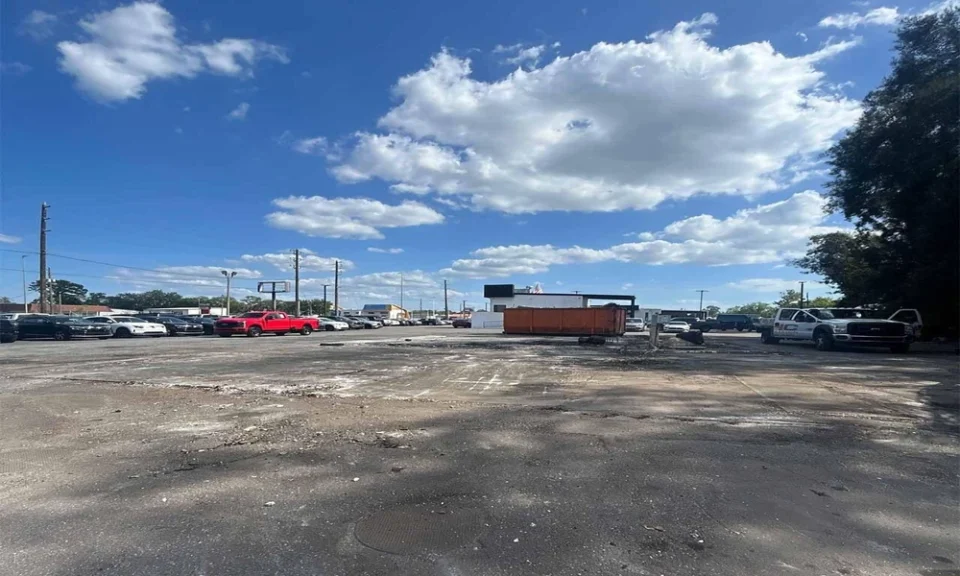
Planning a large tear-down starts with a clear process, not a rushed guess. Property owners across Florida look up commercial demolition when a warehouse, office or retail building must come down for a new plan. A strong process protects neighbors, keeps inspectors informed and sets the next builder up with a usable lot.
The first step is discovery. A qualified crew walks the site, notes access limits and flags likely hazardous materials. Many older commercial buildings need surveys before structural work begins. Skipping that step can stop a job after machines already mobilized.
Next comes paperwork. Cities often require a demolition permit, utility release letters and a simple site plan. Power, gas, water and telecom need coordinated shutoffs. The schedule should follow those milestones instead of an optimistic start date on a flyer.
Then the physical work begins in layers. Soft strip-out may remove fixtures and salvage. Hard demolition brings the structure down in a planned sequence. Debris is sorted when possible so concrete and metal can be recycled. Load tickets help owners prove where material went.
Finally, the site is finished to the agreed grade. Some scopes leave a slab. Others dig footings out and compact fill for a new pad. Owners should read that line carefully before comparing bids.
For Tampa Bay projects that need experienced hands on larger tear-downs, DHC Demolition offers commercial, pool and whole-home demolition through DHC Construction Services, LLC. The team is based in Tarpon Springs and serves Tampa, Brandon, Riverview, Plant City, Temple Terrace and Tarpon Springs. Owners can request a site visit and Get Your Estimate Today by calling (727) 738-4227 or using the contact form on the company website.
Owners should also plan for dust, noise and street use. Cities may limit work hours near homes or schools. A good crew posts a site fence, wets debris when needed and keeps a sweeper plan for tracked mud. Those habits protect the project from complaint-driven stoppages.
Salvage can be part of the process when time allows. Structural steel, copper and some fixtures have value if removed cleanly. Salvage never replaces a safety plan, but it can offset haul volume when the schedule has room.
Document everything. Photos before work, daily progress notes and final grade shots help everyone agree the job matched the scope. That record also helps the next contractor start without surprises.
