
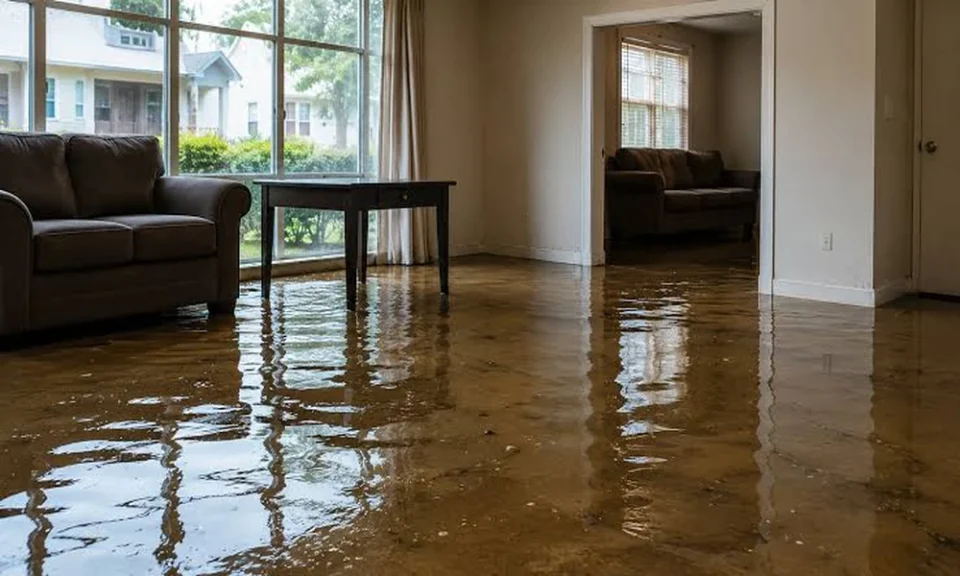
Most water damage does not start with a dramatic burst. It starts with something small, like a slow drip behind a toilet, a sweating AC line in the attic or a hairline crack in a pipe under the slab. By the time a homeowner notices a warped floorboard or a musty closet, the water has often been at work for weeks.
North Texas adds its own pressures to the mix. The region sits on expansive clay soil that swells when wet and shrinks during drought, which puts stress on slab foundations and the plumbing buried inside them. Long summers keep air conditioners running hard, and the occasional hard freeze catches exposed pipes off guard. Each of these leaves its own kind of trail through a house.
When those trails turn into real damage, homeowners usually start searching for water services in Dall Fort Worth And Surrounding cities to handle extraction, drying and cleanup. Still, knowing where water likes to hide lets you catch problems early, sometimes before you need anyone at all. The EPA’s WaterSense program estimates that the average household’s leaks can waste nearly 10,000 gallons of water a year, and a good share of that water ends up somewhere it should not be.
Here is a room by room look at the usual hiding spots.
Under the Slab
Most DFW homes sit on concrete slabs with water lines running beneath them. When the clay soil moves, those lines can crack. A slab leak rarely announces itself with a puddle. Instead, you may notice a warm spot on a tile floor, the sound of running water when every faucet is off, or a water bill that creeps up month after month with no change in habits.
A simple test helps. Turn off every fixture, write down the reading on your water meter and check it again in an hour or two. If the number moved, water is going somewhere. Cracks in drywall near door frames or doors that suddenly stick can point to foundation movement, which sometimes goes hand in hand with a leaking line.
Up in the Attic
Texas attics do a lot of work. Many homes keep the water heater, the furnace and the air handler up there, all in a space that can top 130 degrees in July. The AC system pulls moisture from indoor air and sends it out through a condensate line. When that line clogs with algae or debris, water backs up into the drain pan. If the pan is full or rusted through, it spills straight onto the ceiling below.
Water heaters bring their own risk. Tanks corrode with age, and one that fails in an attic can send dozens of gallons through insulation and drywall in minutes. A yearly look at the drain pan, the condensate line and the base of the tank takes ten minutes and can save a ceiling.
Kitchens and Laundry Rooms
Appliances hide a surprising number of leaks. Dishwasher supply lines sit out of sight under the counter. Refrigerator ice maker lines are often thin plastic that turns brittle. Washing machine hoses carry full water pressure all day long, even when the machine is idle.
Swapping rubber washer hoses for braided steel ones is one of the cheapest upgrades in home maintenance. Under the sink, a dry paper towel pressed against the pipes and the cabinet floor will show moisture long before the wood starts swelling or the particleboard crumbles.
Bathrooms
The bathroom is the most obvious wet room, which is exactly why problems there get missed. Failing grout and caulk let shower water seep into the wall cavity behind the tile. A wax ring under a toilet can leak a little with every flush, slowly rotting the subfloor while the floor surface looks fine.
Soft spots near the base of the toilet, loose tiles or peeling paint on the wall that shares the shower are all early signals. Regrouting and recaulking cost very little compared with tearing out a shower pan.
Outside the Walls
Not every leak starts inside. Sprinkler systems are a big one in this area, especially when a broken head or line sprays against the foundation or the brick for weeks. Clogged gutters overflow and drop water right at the slab edge, which feeds the very soil movement that stresses plumbing below. Hail can crack shingles or knock flashing loose, letting rain in during the next storm.
After any big hailstorm, a quick check of the roof, gutters and window seals is worth the effort. So is walking the yard while the sprinklers run, watching for heads that point at the house instead of the lawn.
When a Small Leak Becomes a Bigger Job
At some point, a leak stops being a repair and becomes a restoration project. That line usually gets crossed when water has soaked into materials that cannot dry on their own, like carpet pad, insulation or the lower part of drywall. Leaving those materials wet invites mold, warped flooring and lingering odors.
Professional crews use moisture meters and thermal cameras to find how far water has traveled, then bring in extraction equipment, air movers and dehumidifiers to dry the structure from the inside out. In homes with a long, slow leak, they may also find older damage hiding behind newer stains, which changes how the repair should be approached. Fixing the source is only half of the job. Drying and cleaning the affected areas properly is what keeps the problem from coming back.
Building a Simple Habit
Water damage is easier to prevent than to repair, and prevention mostly comes down to attention. A homeowner who glances at the water bill each month, checks the attic drain pan before summer and peeks under sinks every few weeks will catch most problems while they are still cheap.
North Texas weather and soil will keep testing every house in the region. The homes that hold up best are not always the newest ones. They are usually the ones where somebody noticed the small stuff early and acted on it before a drip had the chance to become a disaster.
