
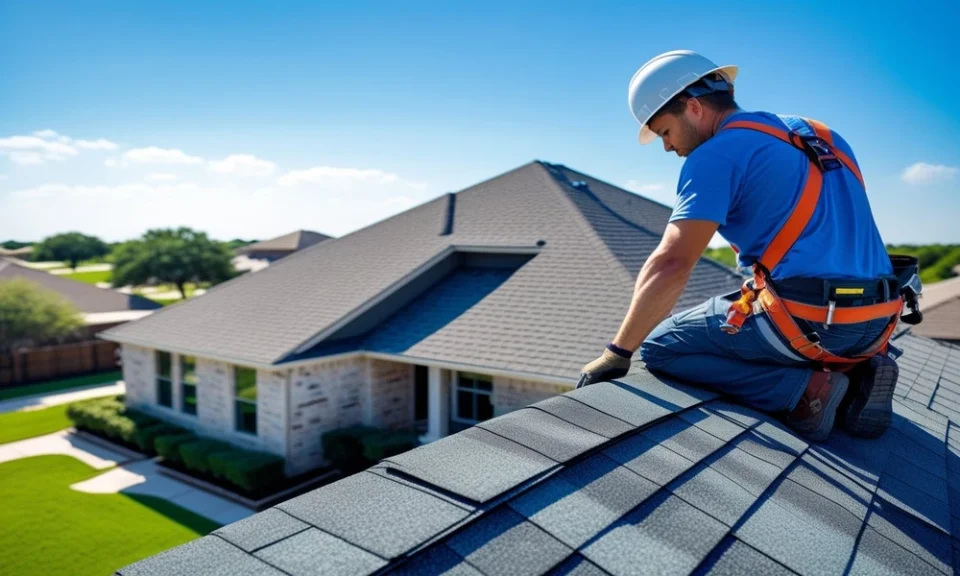
Few homes face a tougher combination of conditions than those in South Central Texas. Summer surface temperatures on a roof can climb well past 150°F, spring brings fast-moving hailstorms, and heavy downpours can follow weeks of drought. All of this puts constant stress on shingles, sealants, and fasteners. Understanding how these forces work helps you catch problems early and avoid paying for repairs that could have been prevented.
Most homeowners think about their roof only after something goes wrong, such as a stain on the ceiling or a shingle in the yard. By then, water has often been working on the structure for months. When people start researching a roofing company in San Antonio, the first question they usually ask is what it will cost. A better first question is what condition the roof is actually in, because the answer drives every decision that follows.
This guide covers how the local climate affects roofing materials, which warning signs matter, how to compare options, and how to prepare for storm season.
How Texas Weather Wears Down a Roof
Four forces do most of the damage:
- UV radiation: Constant sun breaks down the asphalt binders in shingles, causing granule loss and brittleness.
- Thermal cycling: Daily heating and cooling makes materials expand and contract, which loosens nails and stresses flashing.
- Hail: Impact can fracture the shingle mat beneath the granules, so a roof may look fine while its lifespan quietly shrinks.
- Wind-driven rain: Water pushed sideways finds gaps around vents, chimneys, and skylights that normal rain never reaches.
The National Severe Storms Laboratory explains how hail forms and why larger stones cause so much damage, which helps explain why the Texas corridor sees so many insurance claims each spring.
Anatomy of a Roof: What Each Layer Does
A roof is a layered system, and each layer has a distinct job:
- Decking: The plywood or OSB base that supports everything above it.
- Underlayment: A water-resistant barrier that acts as the backup if the surface layer fails.
- Flashing: Metal pieces that seal transitions at valleys, walls, and penetrations.
- Roofing surface: Shingles, metal panels, or tiles that shed water and absorb impact.
- Ventilation: Intake and exhaust vents that keep attic air moving and moisture low.
When a leak appears, the cause is usually a failure at one of the transitions, most often flashing, rather than across the open field of the roof.
Material Comparison for Hot, Storm-Prone Climates
| Material | Approx. Lifespan | Heat Performance | Hail Resistance | Relative Cost |
|---|---|---|---|---|
| Standard asphalt shingles | 15-25 years | Moderate | Low to moderate | $ |
| Impact-rated (Class 4) shingles | 20-30 years | Moderate | High | $$ |
| Standing-seam metal | 40-70 years | Excellent when reflective | High (may dent cosmetically) | $$$ |
| Concrete or clay tile | 50+ years | Very good | Moderate (can crack) | $$$$ |
Lifespans shrink in intense heat, so a shingle rated for 30 years may realistically last 18 to 22 in a sun-baked climate. Ventilation quality and installation craftsmanship often matter as much as the product.
Cool Roofs and Energy Costs
Reflective roofing is more than a trend in hot regions. The U.S. Department of Energy notes that cool roof technology reflects more sunlight and absorbs less heat than standard roofs, which can reduce cooling demand. Lighter shingle colors, reflective coatings, and certain metal finishes all contribute. Pairing these with adequate attic insulation and balanced ventilation delivers the largest benefit.
Warning Signs by Urgency
Act immediately:
- Active leaks or water dripping through ceilings
- Sagging areas in the roofline
- Large sections of missing shingles after a storm
Schedule an inspection soon:
- Granules collecting in gutters or downspouts
- Curling, cupping, or cracked shingles
- Rusted, lifted, or separated flashing
- Daylight visible through attic boards
Monitor and document:
- Minor discoloration or algae streaks
- Small surface scuffs
- Slight sealant cracking around vents
Sorting issues this way prevents both panic over cosmetic flaws and neglect of genuine threats.
Questions to Ask Before Hiring Anyone
Contractor selection is where many homeowners lose money. Use this checklist:
- Licensing and insurance: Ask for proof of liability coverage and workers’ compensation, not just a verbal assurance.
- Written scope: The estimate should specify materials, underlayment type, flashing replacement, and debris removal.
- Warranty structure: Distinguish the manufacturer’s material warranty from the installer’s workmanship warranty, since they cover different failures.
- Local track record: Ask for addresses of completed jobs you can drive past, and check how long the business has operated locally.
- Storm-chaser red flags: Be wary of door-to-door pitches after hail events, requests for large upfront payments, or pressure to sign immediately.
The Storm-Season Playbook
Preparation turns a stressful event into a manageable one.
Before the season:
Schedule an inspection, trim overhanging branches, clear gutters, and photograph the roof’s current condition from the ground.
After a hailstorm:
- Check for damage safely from the ground first.
- Look for dented gutters, damaged vents, and spatter marks on metal surfaces, which indicate hail size.
- Photograph everything with date stamps.
- Make only temporary repairs, such as tarping, to prevent further water entry, and keep all receipts.
- Contact your insurer promptly and review your deductible, since many Texas policies carry a separate wind and hail deductible, often a percentage of the home’s insured value.
Repair vs. Replacement: A Decision Framework
Ask four questions:
- How old is the roof? Past two-thirds of its expected lifespan, repairs offer diminishing returns.
- How widespread is the damage? Localized damage favors repair, while scattered damage across multiple slopes favors replacement.
- Is the problem recurring? Repeated leaks in different spots suggest systemic aging.
- What are your plans? If you intend to sell soon, a documented repair or new roof can ease buyer concerns.
Common Questions
How often should a roof be inspected?
Annually is a sound baseline, plus after any significant hail or wind event.
Does a roof need a new underlayment every time?
A full replacement is the right moment to renew it, since the old layer has aged under the same heat as the shingles.
Can algae stains damage shingles?
Mostly they are cosmetic, but heavy growth can trap moisture, so gentle cleaning is worthwhile.
Is metal roofing noisy in the rain?
With solid decking and underlayment, the difference is minimal.
Final Thoughts
A roof rarely fails suddenly. It declines through accumulated stress, and the homeowners who fare best are those who inspect regularly, document conditions, and understand what they’re paying for. Learn your roof’s age and material, respond to early signs, and ask detailed questions of anyone you hire. That approach protects your home’s structure, your energy bills, and your budget for decades.
