
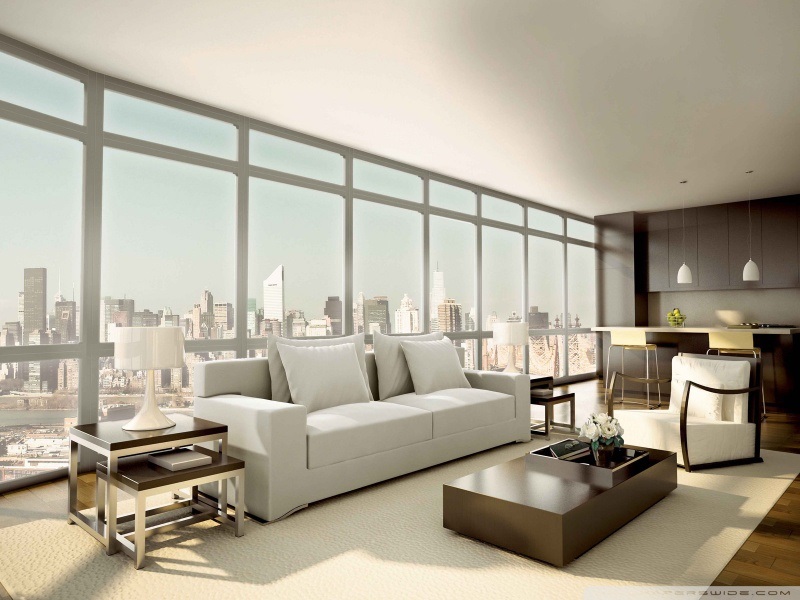
Texture plays a crucial role in defining the aesthetics of interior spaces. While color and furniture are commonly considered when designing a room, texture adds depth, dimension, and visual interest to the overall composition. Understanding how to incorporate texture effectively can transform a bland space into a visually captivating environment.
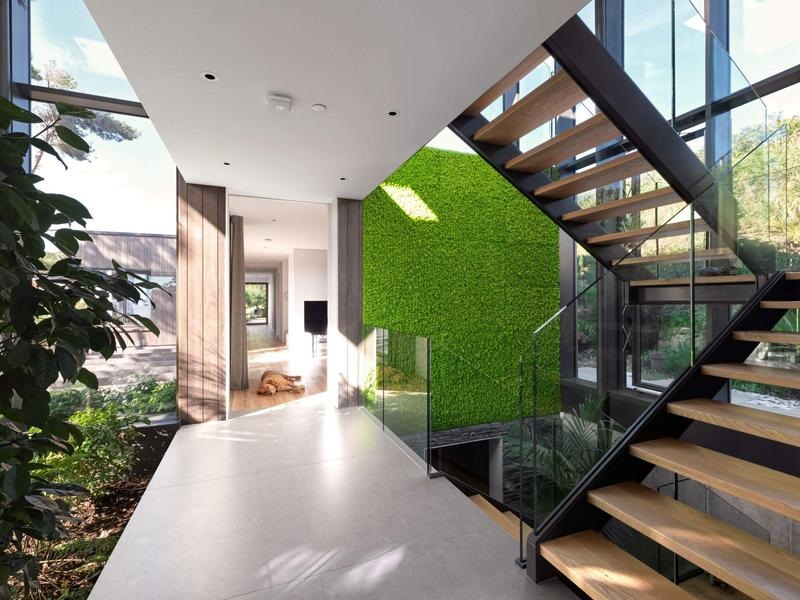
Types of Texture
There are various types of textures that can be utilized in interior design:
- Visual Texture: Visual texture refers to the perceived texture of a surface based on its appearance. This can include patterns, finishes, and materials that create a sense of texture without actually having a tactile quality.
- Tactile Texture: Tactile texture refers to the actual physical feel of a surface. This can be rough, smooth, soft, or hard and adds a sensory dimension to the design.
Creating Contrast
Texture can be used to create contrast within a space. Combining different textures can add visual interest and prevent monotony. For example, pairing a rough, textured rug with a sleek, smooth leather sofa can create a dynamic interplay that captures attention.
Adding Depth and Warmth
Texture can also add depth and warmth to a room. Incorporating plush fabrics like velvet or faux fur can make a space feel cozy and inviting. Additionally, using natural materials such as wood or stone can introduce an organic texture that brings a sense of warmth and earthiness to the design.
Layering Textures
Layering textures is a key technique in interior design. By combining different textures in varying scales, you can create a rich, multidimensional space. For example, pairing a chunky knit throw with a smooth metal lamp and a textured ceramic vase can create a visually compelling vignette on a side table.
Lighting and Texture
Lighting plays a crucial role in highlighting texture within a space. Directional lighting can create shadows that accentuate the tactile quality of materials, while soft, ambient lighting can enhance the overall mood and atmosphere of a room.
Texture is a powerful tool in interior design that can elevate the aesthetics of a space. By understanding the different types of texture, creating contrast, adding depth and warmth, layering textures, and leveraging lighting, you can create a visually stimulating environment that is both functional and beautiful.
