
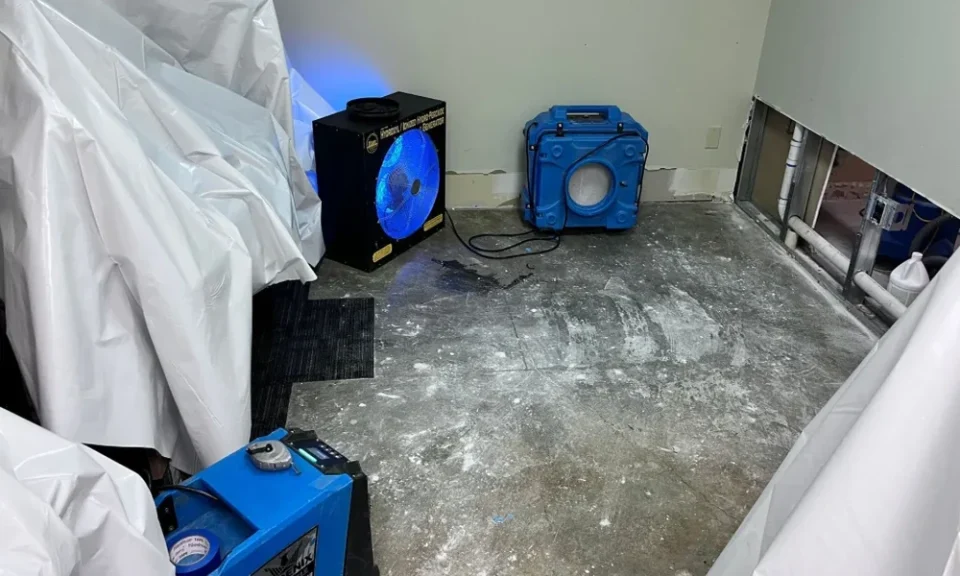
Water damage can happen unexpectedly, whether from a burst pipe, appliance leak, roof damage, or severe storm. While many property owners focus on removing visible water, the real threat often develops after the water appears to be gone. Excess moisture trapped inside walls, flooring, insulation, and other building materials creates the perfect environment for mold growth. This is why professional water remediation plays a critical role in protecting homes and businesses from costly mold infestations.
For property owners in Arlington, water-related issues are especially concerning because of the region’s seasonal humidity and fluctuating weather conditions. Even a small leak can lead to hidden moisture problems if not addressed quickly and properly.
Understanding the Connection Between Water Damage and Mold
Mold spores naturally exist in the environment and are usually harmless in small quantities. However, when moisture becomes available, these spores can begin growing rapidly on various surfaces. Mold can develop on drywall, wood, carpeting, ceiling tiles, insulation, and even furniture.
In many cases, mold growth can begin within 24 to 48 hours after water intrusion occurs. Once established, mold can spread throughout a property, affecting indoor air quality and causing damage to structural materials.
The key to preventing mold is not simply removing standing water. It requires identifying and eliminating all sources of moisture through a comprehensive water remediation process.
What Is Water Remediation?
Water remediation is the professional process of removing excess water, drying affected areas, cleaning contaminated materials, and restoring safe moisture levels within a property. Unlike basic cleanup efforts, water remediation focuses on addressing both visible and hidden moisture that may contribute to long-term damage.
A professional remediation team uses specialized equipment such as:
- Industrial water extractors
- Commercial-grade air movers
- Dehumidifiers
- Moisture meters
- Thermal imaging cameras
These tools help locate moisture that may not be visible to the naked eye and ensure complete drying of affected areas.
Early Water Removal Stops Mold Before It Starts
One of the most effective ways water remediation prevents mold infestations is through rapid water extraction. The longer water remains inside a property, the greater the risk of mold growth.
Professional remediation teams respond quickly to:
- Remove standing water
- Extract moisture from flooring and carpets
- Prevent water from penetrating deeper building materials
- Reduce overall drying time
Fast action significantly limits the conditions mold needs to thrive.
Identifying Hidden Moisture Sources
Many property owners assume that if a surface feels dry, the problem has been resolved. Unfortunately, moisture often remains trapped behind walls, under flooring, or inside ceiling cavities.
Hidden moisture is one of the leading causes of mold infestations because it can remain undetected for weeks or months. During this time, mold colonies may develop and spread throughout the property.
Professional water remediation specialists use moisture detection equipment to identify these hidden problem areas. By locating moisture before mold develops, remediation experts can prevent a minor water issue from becoming a major restoration project.
Proper Drying and Dehumidification
Drying a property involves much more than opening windows or using household fans. Effective drying requires controlling humidity levels and promoting airflow throughout affected areas.
Commercial dehumidifiers remove excess moisture from the air, while air movers accelerate evaporation from wet surfaces. Together, these systems create conditions that discourage mold growth.
In Arlington’s humid climate, professional dehumidification is especially important because outdoor air often contains significant moisture. Relying solely on natural ventilation may not provide sufficient drying to prevent mold development.
Removing Contaminated Materials
Certain materials may absorb too much water to be effectively salvaged. Wet drywall, insulation, carpeting, and ceiling materials can become breeding grounds for mold if not handled properly.
During the remediation process, professionals assess which materials can be restored and which should be removed. Eliminating heavily saturated materials helps prevent mold spores from finding a suitable environment to grow.
This step is particularly important after flooding events or sewage backups, where contamination risks may also be present.
Preventing Long-Term Structural Damage
Mold is not the only concern following water damage. Excess moisture can weaken wooden framing, flooring systems, drywall, and other structural components.
By thoroughly drying affected materials, water remediation helps preserve the integrity of the building. This proactive approach reduces repair costs while also minimizing future mold risks.
Many homeowners discover hidden structural issues months after an untreated water event. Professional remediation helps avoid these expensive surprises.
Improving Indoor Air Quality
Mold infestations can negatively impact indoor air quality by releasing spores into the air. These airborne particles may contribute to unpleasant odors and create uncomfortable indoor conditions.
Water remediation helps maintain healthier indoor environments by removing moisture before mold has the opportunity to develop. Proper drying, cleaning, and sanitization support better air quality for occupants and visitors alike.
Why Professional Water Remediation Matters
While DIY cleanup may seem sufficient for minor water incidents, hidden moisture often remains behind. Professional water remediation provides a comprehensive solution that addresses both immediate water damage and potential future mold problems.
Experienced remediation specialists understand how moisture behaves within building materials and use proven techniques to ensure complete drying. Their expertise helps property owners avoid the extensive costs associated with mold remediation and structural repairs later on.
Conclusion
Mold infestations often begin with untreated or improperly managed water damage. By removing standing water quickly, identifying hidden moisture, thoroughly drying affected materials, and maintaining proper humidity levels, professional water remediation serves as one of the most effective defenses against mold growth.
For homeowners and business owners in Arlington, investing in prompt water remediation can help protect property value, preserve structural integrity, and maintain a healthier indoor environment. Acting quickly after water damage occurs is the best way to stop mold before it has a chance to take hold.
This post was written by a professional at VIP Restoration. VIP Restoration is a full-service water remediation company in Lanham, Maryland, specializing in flood damage, sewage cleanup, roofing install and repair, and home improvements including basement remodels, bathroom remodels, painting, and flooring. For those searching for Water Damage Remediation Arlington, VIP Restoration provides thorough service to help manage water damage, reduce long-term risks, and restore affected spaces with care. As one of the leading water remediation companies near you, we serve clients throughout a 30-mile radius of Lanham, Maryland, including Washington, DC, Alexandria, Virginia, Arlington, Virginia, Fairfax, Virginia, Falls Church, Virginia, Prince George’s County, Montgomery County, Baltimore City, Baltimore County, and Howard County. Our experienced team provides expert guidance and reliable solutions, making us a trusted choice for water remediation near you focused on quality, value, and performance.

Select Pool Builders For A Contemporary Pool: How To Do It