
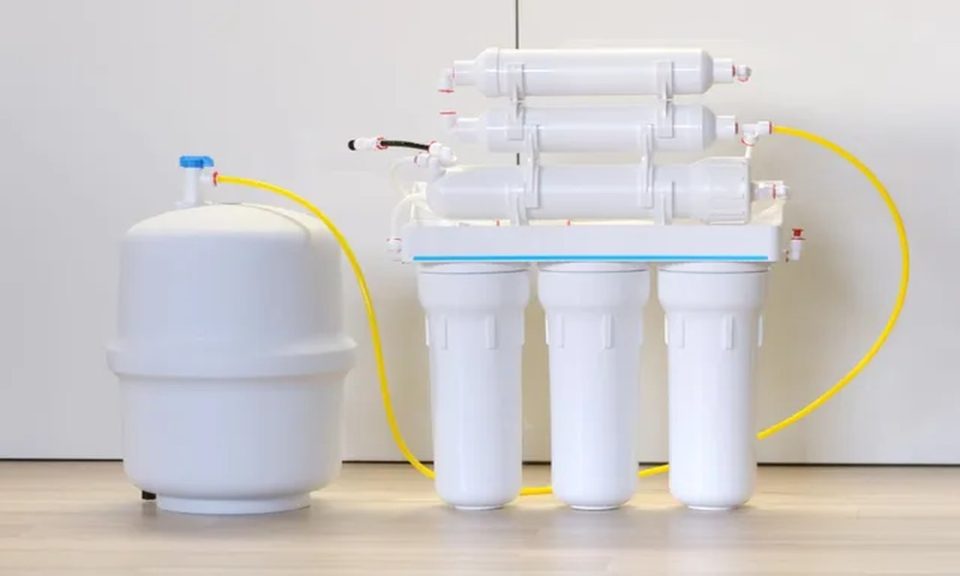
Clean, safe drinking water is something every home and business depends on. Yet many people are surprised to learn how many contaminants can be present in their tap water-ranging from dissolved minerals and chlorine to heavy metals and microscopic impurities. That’s where reverse osmosis comes in. If you’ve ever wondered, what is reverse osmosis and how does it work?, this guide will break it down in simple terms while explaining why it has become one of the most trusted water filtration methods available today.
What Is Reverse Osmosis?
Reverse osmosis (RO) is an advanced water purification process that removes contaminants by forcing water through a semi-permeable membrane. This membrane allows clean water molecules to pass through while blocking dissolved salts, chemicals, and other impurities.
In nature, osmosis occurs when water moves from an area of low concentration of dissolved substances to an area of high concentration. Reverse osmosis does the opposite. By applying pressure, water is pushed through a specialized membrane, leaving contaminants behind and producing purified water.
Because of its effectiveness, reverse osmosis systems are widely used in residential homes, commercial buildings, restaurants, healthcare facilities, and even large-scale industrial operations.
How Does Reverse Osmosis Work?
To fully understand what is reverse osmosis and how does it work?, it helps to break the process into stages. Most residential RO systems use a multi-step filtration approach:
1. Pre-Filtration
Before water reaches the RO membrane, it passes through pre-filters. These typically include:
- Sediment filters that remove dirt, rust, and debris
- Carbon filters that reduce chlorine and chemical tastes
Pre-filtration protects the membrane and improves overall system efficiency.
2. The Reverse Osmosis Membrane
This is the core of the system. The semi-permeable membrane removes up to 95-99% of dissolved solids, including:
- Lead
- Arsenic
- Nitrates
- Fluoride
- Sodium
- Certain bacteria and viruses
Only purified water molecules pass through, while contaminants are flushed away as wastewater.
3. Post-Filtration
After passing through the membrane, water often goes through a final carbon filter to polish taste and remove any remaining odors before reaching your tap.
4. Storage Tank and Dispensing
Clean water is stored in a pressurized tank and dispensed through a dedicated faucet when needed.
This entire process ensures that the water you drink, cook with, and use daily is significantly cleaner and safer.
What Contaminants Does Reverse Osmosis Remove?
Reverse osmosis is highly effective at reducing a wide range of contaminants, including:
- Total Dissolved Solids (TDS)
- Heavy metals like lead and mercury
- Chlorine and chloramine
- Fluoride
- Pesticides and herbicides
- Microplastics
- Certain microorganisms
While no filtration system removes absolutely everything, RO systems are among the most comprehensive water purification methods available for residential use.
Benefits of Reverse Osmosis Systems
Understanding what is reverse osmosis and how does it work? also means recognizing its advantages. Some of the key benefits include:
1. Improved Taste and Odor
By removing chlorine and dissolved impurities, RO water tastes noticeably cleaner and fresher.
2. Health Protection
Reducing contaminants like lead and arsenic supports long-term health and safety.
3. Cost Savings
Installing an RO system reduces reliance on bottled water, saving money over time while minimizing plastic waste.
4. Environmental Benefits
Less bottled water consumption means fewer plastic bottles in landfills and oceans.
5. Better Cooking and Beverages
From coffee to soups, purified water enhances flavor and consistency in food preparation.
Is Reverse Osmosis Right for Your Home or Business?
Reverse osmosis is ideal for households concerned about water quality, especially in areas with high mineral content or potential contamination issues. Businesses-such as offices, restaurants, and medical facilities-also benefit from consistent, high-quality water that protects equipment and supports health standards.
However, water conditions vary by location. A professional water test can determine whether an RO system is the best solution for your specific needs. In some cases, reverse osmosis is combined with other filtration or water softening systems for optimal results.
Maintenance and Longevity
Reverse osmosis systems are relatively low maintenance. Filters typically need replacement every 6-12 months, while membranes may last 2-3 years depending on water quality and usage. Regular maintenance ensures continued performance and water purity.
Working with a qualified water treatment provider ensures proper installation, system sizing, and ongoing service support.
Final Thoughts
So, what is reverse osmosis and how does it work? It’s a highly effective water purification method that uses pressure and a semi-permeable membrane to remove contaminants and deliver clean, great-tasting water. Whether for residential or commercial use, reverse osmosis offers a dependable solution for improving water quality, protecting health, and reducing environmental impact.
If you’re considering upgrading your water system, consulting with a professional water filtration expert can help you choose the right reverse osmosis solution tailored to your specific water conditions and long-term goals.
This post was written by a professional at OneGreenFilter – Water Purification Experts. At OneGreenFilter – Water Purification Experts, we provide healthy, great-tasting water for Bay Area families through expert residential water filtration. Established in 2017, we focus on doing three things right: selling the right system, installing it properly, and maintaining it long-term. Our services include whole-home water filtration, water softeners, and reverse osmosis systems designed for your home’s specific water needs. We’re locally owned, sustainability-focused, and trusted for our 5-star service. Enjoy free water testing, professional installation, and long-term peace of mind. Click here to learn more!
