
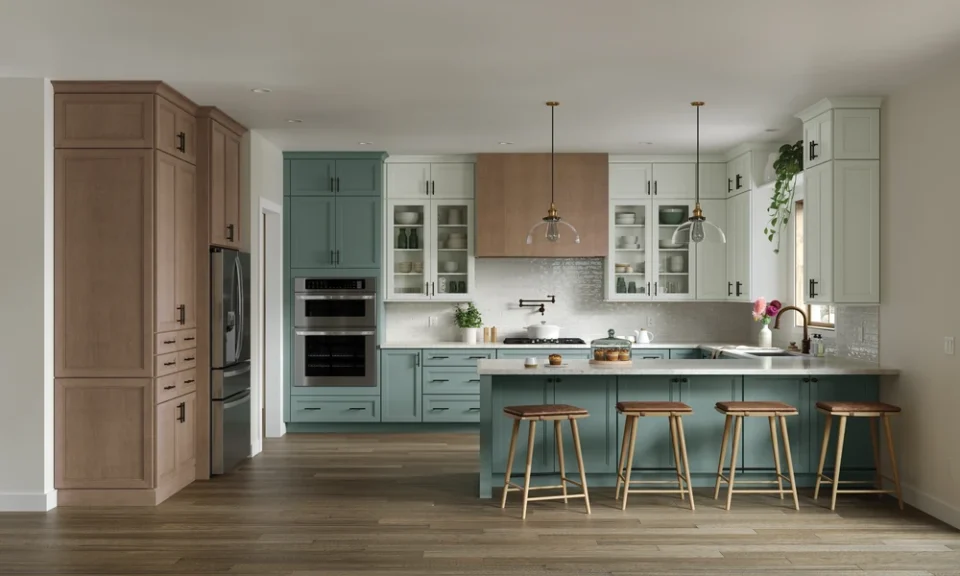
The dream of a stylish, functional kitchen often collides head-on with the reality of budget constraints. But even when the numbers are tight, a well-coordinated kitchen remodel is fully within reach, provided you approach it with clear goals and realistic expectations from the start.
Understanding the Scope of a Kitchen Remodel on a Budget
Before swinging a hammer or browsing cabinet finishes, it pays to pause and define what you actually want to achieve. Is your top priority to modernize the look, maximize storage, or simply fix long-standing issues? Pinpointing your goals helps you direct your limited resources where they will have the most impact.
Next, take a cold, honest look at your current kitchen. Some existing elements might be salvageable with a fresh coat of paint or new hardware, offering big savings. Others, like outdated layouts or faulty plumbing, may require more serious intervention. Assessing what’s reusable versus what absolutely needs replacement gives your budget a fighting chance.
Setting a realistic budget is more than just picking a number. Research average project costs in your area and add a buffer for surprises. This way, you’re less likely to be blindsided by unexpected expenses that inevitably crop up once the cabinets start coming off the walls.
Initial Planning and Consultation
The big decision early on? Whether to tackle the remodel yourself or bring in professionals. DIY can shave off some costs, especially if you’re handy and your changes are mostly cosmetic. However, more complex projects often benefit from expert guidance, especially when structural changes or plumbing are involved.
A personalized consultation with a kitchen design firm can be invaluable, even if you plan to manage some aspects yourself. For example, services like rénovation cuisine Askal Intérieurs Terrebonne offer tailored advice and oversee the process from start to finish, helping you avoid costly missteps. Being clear about your needs, preferred style, and non-negotiables ensures the final design fits your lifestyle and budget, not just a showroom image.
Open communication with your chosen team, whether pros, suppliers, or even your enthusiastic DIY partner, lays the groundwork for a smoother process and fewer surprises.
Designing Within Budget Constraints
Savvy material choices can stretch your budget much further. Laminate countertops and thermofoil cabinets, for instance, often provide a high-end look at a fraction of the price. Consider where you can splurge for durability (like solid drawer boxes or sturdy hinges) and where you can save with clever alternatives.
The sweet spot lies at the intersection of durability, looks, and cost. It’s not about picking the cheapest option every time, but rather maximizing value. For example, open shelving might cost less than upper cabinets while offering a stylish, modern look and easier access to everyday items.
Smart design also means optimizing storage and workflow. Pull-out drawers, corner solutions, and multi-functional islands can make even compact kitchens feel spacious and efficient without blowing the budget.
Navigating the Project Timeline
Kitchen remodels rarely proceed without a hiccup or two. Breaking the job into clear phases, demolition, rough-ins, installation, finishing, helps keep things organized and makes it easier to manage both your time and spending.
Coordinating multiple contractors and suppliers is part project manager, part air traffic controller. Be sure to confirm delivery dates, clarify responsibilities, and check in regularly. Delays do happen, whether from a shipment snag or a hidden plumbing issue, so allow some wiggle room in both your schedule and your finances.
If you do hit an unexpected snag, resist the urge to panic. Revisit your priority list and see where you can adjust without sacrificing your main goals.
Managing the Renovation Process
Demolition can be dusty, noisy, and inconvenient, but good prep, like sealing off work areas and setting aside salvageable materials, makes a difference. As new cabinets, appliances, and fixtures arrive, check them for damage and ensure installation matches the agreed-upon plan.
Quality control is not just the contractor’s job. Regular walkthroughs help you spot issues before they become major headaches, allowing for quick corrections without derailing the timeline.
Living Through the Remodel
A kitchen remodel inevitably disrupts daily routines. Setting up a temporary food prep area with a microwave, slow cooker, and mini-fridge helps keep chaos at bay. Planning simple, no-cook meals can save your sanity during the most hectic days.
Just as crucial is regular, honest communication with your remodeling team. Clear feedback and prompt responses to questions prevent small misunderstandings from ballooning into costly problems.
Final Touches and Project Completion
When construction dust settles, inspect every inch of your new kitchen. Make note of small flaws or incomplete work. Minor adjustments, like cabinet doors that need realignment or touch-up paint, are common and usually part of the final process.
Take time to enjoy your new space and, if you’ve stayed on budget, maybe even start a wish list for future upgrades. A well-managed remodel adds value, function, and a fresh spark to your home life.
Tips for Maximizing Value on a Budget
– Choose one or two focal points to upgrade, a statement backsplash or premium faucet can elevate the entire room.
– Avoid moving plumbing or gas lines unless absolutely necessary, as this drives up costs.
– Invest extra in items you use every day (durable work surfaces, good lighting) and save on purely decorative elements.
Coordinating a kitchen remodel on a budget is a balancing act, but with careful planning and the right partners, your dream kitchen is closer than you think.
