
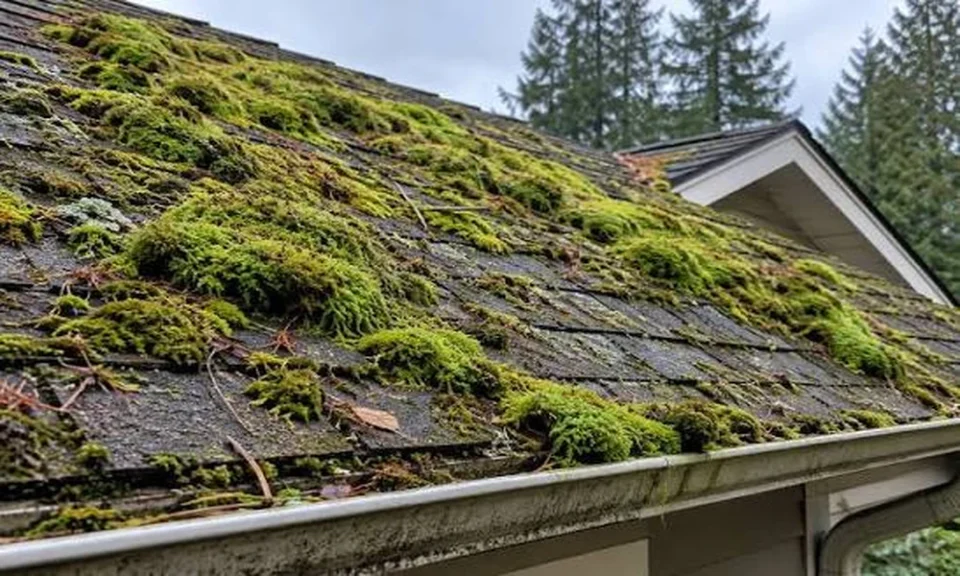
It usually starts on the north side. A few green specks settle into the gap between two shingles sometime in October, right as the first long rain of the season rolls in off Puget Sound. Nobody notices. By February those specks have become soft cushions, and by the following fall they are thick enough to hold a small cup of water each. Moss on a roof in western Washington is less a question of if than of how long it gets to stay.
Homeowners across Snohomish County and the greater Seattle area deal with this every year, which is why Riverside Roofing folds roof cleaning into the same work as repairs and full replacements. The Marysville crew has spent more than 35 years on roofs in this climate, holds GAF Master Elite certification, and clears growth with a soft wash method so the shingles underneath come out intact. That detail matters more than it sounds, because the way moss comes off can do nearly as much harm as leaving it in place.
To see why, it helps to follow a patch of moss through its life on a roof.
A Plant That Never Needed Soil
Moss has no true roots. It anchors itself with tiny threadlike structures called rhizoids and pulls almost everything it needs straight from the air and rain. That is why it grows happily on asphalt, cedar shake and even concrete tile. All it asks for is shade, moisture and a little organic grit to grab onto.
Western Washington supplies all three generously. Most of the region’s rain falls between October and April, the winter sun sits low in the sky, and tall Douglas firs and cedars shed a steady supply of needles that collect in valleys, behind chimneys and along the lower edge of the roof. A north-facing slope under a ring of evergreens can stay damp for weeks after the last shower. Those are the slopes where moss shows up first and grows thickest.
Living With a Sponge on the Shingles
Once established, moss behaves like a sponge pressed flat against the roof. It holds water long after the rest of the surface has dried, keeping the shingles beneath it wet through most of the season.
That steady moisture causes trouble in several ways. As clumps grow along the bottom edges of shingles, they slowly pry those edges upward. Lifted shingles break the adhesive seal that keeps them flat, and wind-driven rain can then creep underneath through capillary action, the same pull that draws water up a paper towel. Water that slips under the shingle layer reaches the underlayment and eventually the wood decking. Plywood or OSB that stays wet long enough softens, delaminates and rots.
Asphalt shingles also rely on their mineral granules to block UV light. Moss loosens those granules as it grows and again as it is knocked loose, leaving bare asphalt that dries out and cracks sooner. On cedar shake, trapped moisture speeds up rot and splitting.
Then there is the debris. Pieces of moss break off in wind and heavy rain, ride down the slope and pack into gutters and downspouts. Overflowing gutters spill water against fascia boards and siding, and during a hard cold snap that standing water can freeze and add weight the gutters were never built to carry.
Three Lookalikes With Different Habits
Not every dark patch on a roof is moss. Black or gray streaks running down the slope are usually algae, most often a cyanobacterium called Gloeocapsa magma. It looks bad but does far less physical damage. Lichen, the flat crusty growth that looks almost painted on, grips the surface tightly and can tear granules away if someone scrapes it off. Moss is the raised, spongy green material, and it is the one that holds the most water. Knowing which one is on your roof changes how aggressive the cleanup needs to be.
Taking It Off Without Taking the Roof With It
The first instinct for many people is to rent a pressure washer. On an asphalt roof that is one of the quickest ways to shorten its life. High pressure strips granules by the handful, forces water up under the shingle laps and can void the manufacturer’s warranty. Several shingle makers warn against it in their care guidance.
Gentler methods do the job better.
Hand removal. On a dry day, a soft brush or plastic scraper worked from the top of the slope downward pushes moss off in the same direction the shingles overlap. Brushing upward lifts the very edges you are trying to protect. It is slow work, but it is the least damaging option.
Soft washing. Low-pressure spraying with a cleaning solution kills moss and algae on contact, and rain rinses the dead growth away over the following weeks. Experienced crews adjust the mix and pressure to the roofing material.
Chemical treatments. Many store-bought moss killers rely on zinc sulfate or similar compounds. They work, but whatever washes off the roof goes somewhere. The Washington State Department of Ecology has tested runoff from common roofing materials, and zinc is one of the metals it watches closely because it travels through storm drains into streams and lakes, where it harms fish and other aquatic life. For homes near creeks, wetlands or the Snohomish and Stillaguamish river systems, picking products carefully and keeping runoff out of open water is part of doing the job right.
Safety deserves its own mention. Wet moss on a pitched roof is about as slick as ice, and falls from ladders and rooftops are among the most serious injuries in home maintenance. A steep pitch or a two-story drop is a strong reason to hand the job to someone with harnesses and roof anchors.
Buying Years Instead of Months
Removal buys time. Prevention decides how much.
Trimming branches that hang over the roof is the single most effective step, since it lets sunlight reach the shingles and cuts off the supply of needles and leaves. Clearing debris from valleys and gutters every fall removes the organic layer moss uses as a foothold.
Zinc or copper strips installed just below the ridge are a long-standing Northwest habit. As rain passes over the metal, it carries trace amounts down the slope that discourage new growth. They tend to work best within a few feet of the strip and less well on long, shallow slopes, and they add their own metal to runoff, so they are a trade-off rather than a cure.
When a roof is due for replacement anyway, material choice becomes the long-term answer. Many current architectural shingles include copper-infused granules that resist algae staining. Metal roofing gives moss almost nothing to grip, which is one reason standing seam panels keep showing up on homes surrounded by evergreens.
The Point Where a Cleaning Won’t Help
Sometimes moss has simply been there too long. Spongy spots underfoot, shingles that curl or crack when touched, bald patches with no granules left, or water stains on the attic sheathing all point to damage a cleaning cannot reverse. An asphalt roof past roughly twenty years of age with heavy moss coverage is often a better candidate for replacement than restoration.
It also helps to know that most homeowners insurance policies treat moss as a maintenance issue. Gradual wear from neglected growth is typically excluded, so a leak traced back to a long-running moss problem usually lands on the owner rather than the insurer.
The encouraging part is that moss works slowly. A roof that gets looked at every fall, cleaned gently when growth appears and kept clear of overhanging limbs can reach the full lifespan its materials were designed for, even after years of gray Northwest winters. The patch that settles in this October does not have to be the one that costs you a roof.
