
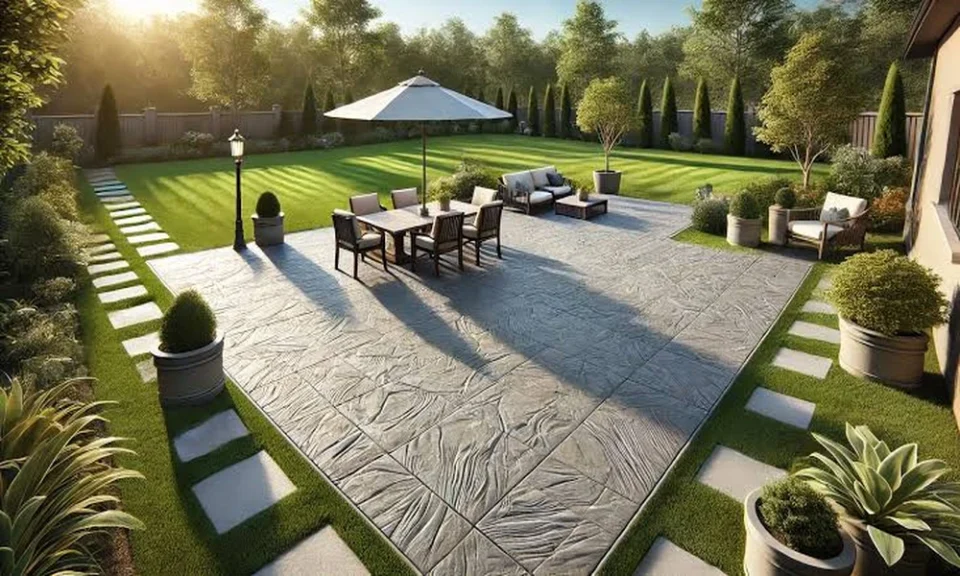
A retaining wall and a stamped concrete surface can transform an outdoor area, but they solve very different problems. The wall manages soil and elevation, while decorative concrete creates a durable walking or gathering surface. Each requires its own design, preparation, drainage, and workmanship. Treating either one as a quick cosmetic job can lead to poor performance.
Why the Work Behind the Surface Matters
Retaining walls must account for soil pressure, water, slope, nearby structures, and loads above the wall. Height and location may trigger design, permit, or inspection requirements. A proper plan identifies the wall system, excavation, compacted base, drainage stone, pipe outlets, reinforcement where needed, backfill, cap, and protection of nearby utilities or property.
How to Evaluate Local Contractors
When searching for a retaining wall installer near me, ask how the contractor will keep water from building behind the wall. Drainage is not an optional accessory; trapped water increases pressure and can contribute to leaning, movement, or failure. The proposal should also define finished grades, erosion control, outlet locations, and restoration of disturbed lawn or planting areas.
Decorative concrete needs technical planning too
The base and slab must be designed before color and pattern are chosen
Joint placement should be planned around the layout
Samples help set expectations for natural color variation
Sealer type and future maintenance should suit the intended use
Prepare the Property Before Work Begins
Outdoor projects are easier to control when elevations and boundaries are agreed in advance. Mark the wall line, patio edges, steps, drains, and utility routes with the contractor before excavation. Confirm where soil will be stored or removed and how muddy equipment will be kept from damaging streets and driveways. If the wall affects a boundary, slope, fence, or neighboring drainage, resolve ownership and design questions before construction. For decorative concrete, approve the pattern direction and border layout on the formed area, not only on paper. A final pre-pour or pre-build walkthrough can catch awkward cuts, narrow strips, misplaced outlets, and conflicts that become costly after materials are installed.
Compare the Complete Scope, Not Just the Price
People comparing stamped concrete contractors near me should evaluate flatwork experience as carefully as artistic skill. Attractive photos do not show base compaction, slab thickness, reinforcement, drainage, or curing. Ask how the crew manages timing during placement, keeps the pattern aligned, applies release materials, cleans the surface, and protects the finished slab before sealing.
Make the Final Decision with Confidence
Use separate, detailed scopes if one company is performing both projects. Confirm sequencing so wall excavation, drainage, grading, and heavy equipment are completed before the decorative surface is vulnerable to damage. Review maintenance instructions and access restrictions in writing. Strong outdoor construction combines engineering judgment, disciplined preparation, and skilled finishing; appearance is the result of that process, not a replacement for it.
