
Why Energy Efficiency Starts at the Top?
When it comes to improving your home’s energy efficiency, most people think of new windows, insulation, or HVAC systems. But one of the most effective — and often overlooked — ways to cut energy costs is through your roof.
Your roof plays a major role in how much heat enters or escapes your home. In Florida’s hot, humid climate, where air conditioning runs nearly year-round, choosing energy-efficient roofing materials can help lower cooling costs, improve comfort, and extend your roof’s lifespan.
How Roofing Impacts Energy Use
The roof acts as a barrier between your living space and the sun’s heat. When built with reflective, insulating materials, it helps maintain stable indoor temperatures and reduces the strain on your HVAC system.
Energy-efficient roofs use materials that reflect solar radiation, release absorbed heat, and improve ventilation, preventing excessive heat buildup in the attic.
Top Energy-Efficient Roofing Materials
1. Metal Roofing
Metal roofing is one of the most energy-efficient and durable options for Florida homeowners. Its reflective surface bounces sunlight away from the home, keeping attic temperatures significantly lower.
With proper coatings, metal roofs can reflect up to 70% of solar heat, helping to cut cooling bills by 20% or more. They also last 40–70 years, offering long-term value and sustainability.
2. Tile Roofing
Clay and concrete tiles naturally provide thermal resistance due to their thickness and air gaps, which allow heat to dissipate before it reaches your home’s interior. Tiles are also ideal for Florida’s climate, as they resist fading and damage from intense UV exposure.
Pairing tile roofs with reflective underlayment or light-colored finishes further enhances energy savings.
3. Cool Asphalt Shingles
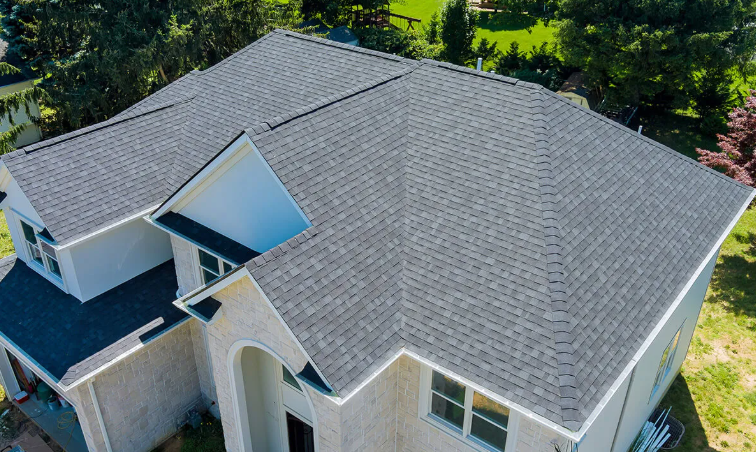
Traditional shingles absorb a lot of heat, but modern “cool roof” versions are made with solar-reflective granules that help reduce surface temperatures. They look similar to standard shingles but perform better in hot climates, making them a great option for homeowners who prefer a traditional look with modern efficiency.
4. Reflective Roof Coatings
Adding a reflective coating — typically white or light-colored — can transform an existing roof into a more energy-efficient system. These coatings minimize heat absorption, extend roof life, and help prevent thermal cracking caused by constant temperature changes.
Other Energy-Saving Factors
- Proper ventilation: Ensures hot air escapes from the attic.
- High-quality insulation: Keeps conditioned air inside.
- Lighter roof colors: Reflect more sunlight and stay cooler than darker shades.
Together, these features enhance comfort and reduce energy consumption year-round.
The Long-Term Payoff
Energy-efficient roofing materials not only lower monthly utility costs but also improve your home’s resale value and environmental footprint. For Florida homeowners, investing in a cool, reflective roof is both a financial and practical win — offering lasting comfort through even the hottest summer days.
When you choose the right roofing material, you’re not just protecting your home — you’re making it smarter, greener, and more efficient from the top down.
This post was written by a professional at Coastal Brothers Roofing. Coastal Brothers Roofing is a family-owned Tampa roof installation company offering expert re-roofing and repair services. We install premium shingles, tile, metal, and low-slope systems, including products from Tamko and Owens Corning. Our team also provides gutter, soffit, fascia, and emergency tarping. Trusted as one of the best residential roofing companies near you, we deliver durable, high-quality roofing systems built for Florida’s climate.
